Breathe Pure, Live Well
-Protect your loved ones with our air quality solutions.


Dedicated to Lung Health
Protect our Nurses and Healthcare workers! They are the glue that holds the world together though the worst of times.
Nurses Save Lives!
werfws
“Save one life, you’re a hero. Save 100 lives, you’re a nurse.” — Survivor
Results that Speak Out!
MYTH: "Just do great work, and they will notice." Spoiler alert: They won't.
“Nurses are there when the last breath is taken, and nurses are there when the first breath is taken.” — Christine Belle
Daily Lung Care Starts Here

Lungs: Your First Line of Defense
Learn how respiratory threats impact lung health and what you can do to stay protected.
Protect Your Lungs: Air Quality



Promoting Lung Health
Dedicated to advancing lung health through research, education, and advocacy.
Scientific Excellence
Our focus is on delivering research-backed solutions for healthier lungs.
Professional Support
Compassionate experts committed to your respiratory well-being.
Meaningful Impact
Successful initiatives that foster cleaner air and healthier lungs.
Ebola Funding Crisis: $1.4B Needed
Funding gap widens: Africa CDC says Ebola response now requires $1.4 billion, with only a fraction of pledged funds released. Outbreak intensifies: Bundibugyo strain has infected over 1,100 in Congo and spread to Uganda, with the fastest early-case growth on record. Humanitarian crisis: Conflict and displacement in Ituri province hinder access to patients and disrupt vital contact tracing.
(NOTICE THE RIP IN HIS PPE?)
Dengue Fever and the Role of Clean Air
Dengue fever is a mosquito-borne viral disease that has been expanding globally due to climate change, urbanization, and environmental factors. While mosquito control remains the primary prevention strategy, air pollution — especially fine particulate matter (PM2.5) — can worsen dengue severity and increase mortality.
Air Pollution’s Impact on Dengue
Recent studies across 20 dengue-endemic countries found that higher ambient PM2.5 levels are strongly linked to higher dengue fatality rates. Countries with annual PM2.5 averages above 35 µg/m³ had three to five times higher fatality rates than those below 15 µg/m³ Mongabay-India.
PM2.5 exposure:
- Weakens the immune system, impairing the body’s ability to fight the virus.
- Causes endothelial dysfunction, damaging blood vessel linings — a key feature of dengue that can lead to shock and hemorrhage Mongabay-India.
- Inflames airways and lungs, reducing oxygen-carrying capacity and worsening respiratory symptoms lungsamerica.com.
These effects can make dengue more dangerous, especially during monsoon seasons when both mosquito activity and pollution levels rise.
Why Clean Air Matters
Improving air quality — through stricter emissions controls, cleaner energy, and public transport — can:
- Reduce the physiological burden on the body during dengue infection.
- Lower the risk of severe outcomes, even if mosquito control measures are in place.
- Support overall respiratory and cardiovascular health, which are already stressed in dengue patients.
Other Environmental Factors
Beyond air quality, trash accumulation is another major dengue risk factor. Waste in shallow water creates mosquito breeding sites, and poor waste management can worsen both dengue and air pollution by increasing emissions from waste decomposition.
Public health strategies that combine air quality improvement with waste management and mosquito control are most effective.
Public Health Takeaways
- Monitor and reduce PM2.5 exposure in endemic areas.
- Integrate air quality data into dengue surveillance and outbreak response.
- Promote community cleanliness to reduce mosquito breeding sites.
- Support vector control alongside environmental health measures.
In short, clean air is not just about preventing respiratory disease — it can also be a critical factor in reducing the severity and death toll of dengue fever.
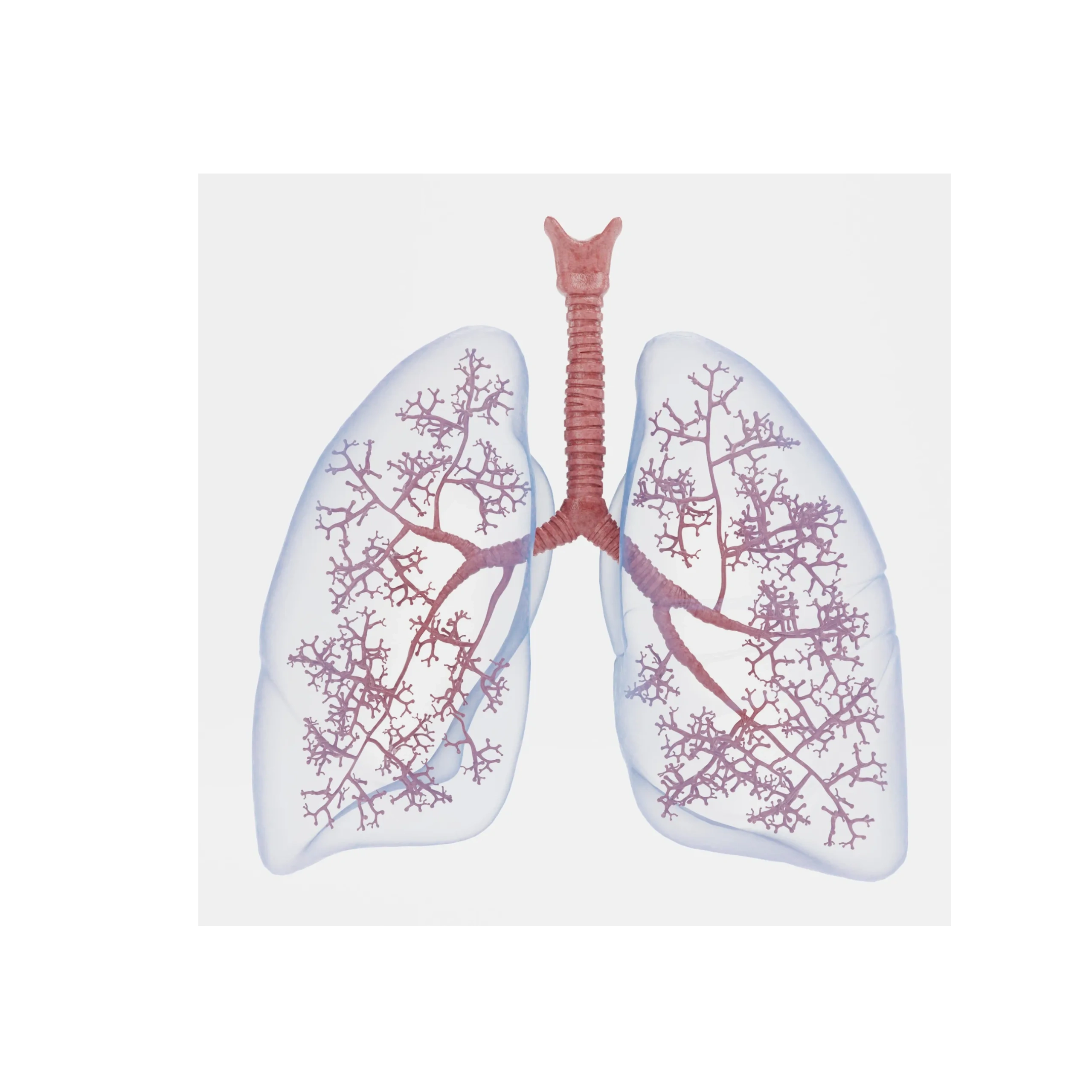
Protect Lung Health During Outbreaks
Stay Informed on Lung & Respiratory Health


Airborne Germs

Connect with Lung Experts
Join the Fight for Lung Health! Free Survey!
St.Matthews, KY, USA
Office Hours
Open today | 09:00 am – 05:00 pm |


Championing Lung Health
Dedicated to advancing lung health through research, education, and advocacy. Join us in our mission to create a cleaner, healthier environment.