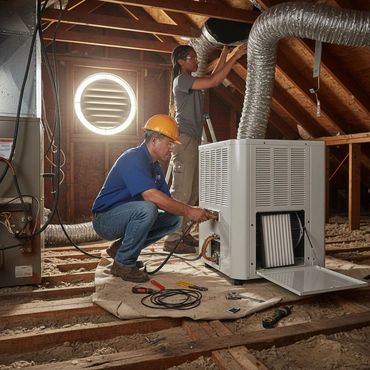
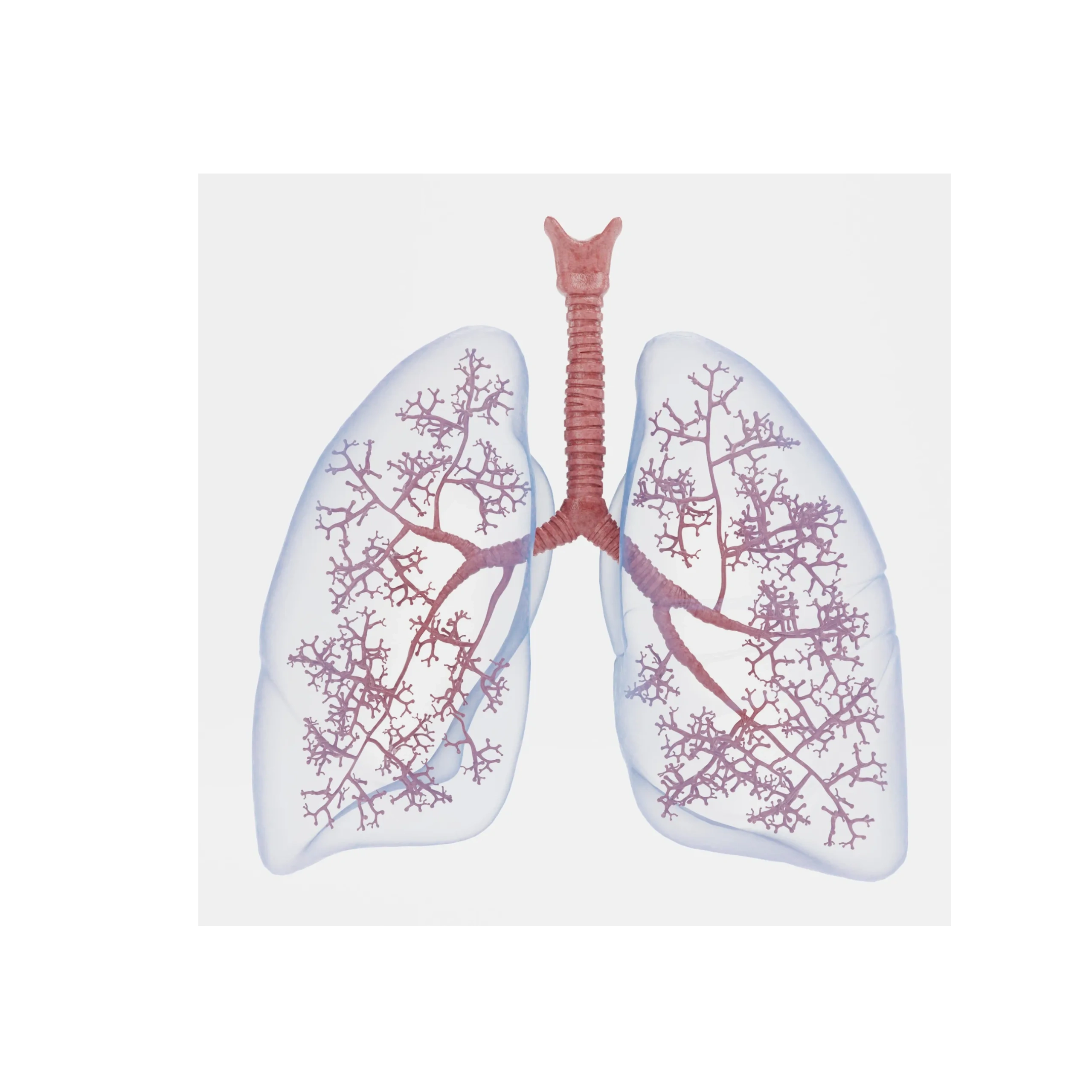
The only thing that should enter your family's lungs is clean air, which can be achieved through air quality improvement measures, effective HVAC installation, and indoor air sanitization solutions.

5028365646

5028365646

  • HOME
  • CDC & EPA Information
  • DENGE FEVER IN AIR
  • SOLUTIONS
  • HVAC CONTRACTORS
  • STORE
  • UV-C FRSH PRODUCE
  • Blank
  • TRIALS
  • SCIENTIFIC FACTORS
  • BIRD FLU
  • WHY ARE WE DOING THIS?
  • Blank
  • More
    • HOME
    • CDC & EPA Information
    • DENGE FEVER IN AIR
    • SOLUTIONS
    • HVAC CONTRACTORS
    • STORE
    • UV-C FRSH PRODUCE
    • Blank
    • TRIALS
    • SCIENTIFIC FACTORS
    • BIRD FLU
    • WHY ARE WE DOING THIS?
    • Blank
  • Sign In
  • Create Account

  • My Account
  • Signed in as:

  • filler@godaddy.com


  • My Account
  • Sign out

Signed in as:

filler@godaddy.com

  • HOME
  • CDC & EPA Information
  • DENGE FEVER IN AIR
  • SOLUTIONS
  • HVAC CONTRACTORS
  • STORE
  • UV-C FRSH PRODUCE
  • Blank
  • TRIALS
  • SCIENTIFIC FACTORS
  • BIRD FLU
  • WHY ARE WE DOING THIS?
  • Blank

Account


  • My Account
  • Sign out


  • Sign In
  • My Account
Clean Air

Lungs America:

Lungs America: Lungs America:
UV protection icon with arrows indicating UV rays deflection.

Clean air systems can enhance health awareness by protecting your family from the dengue virus, Ebola, coronavirus, and a wid

FREE ASSESMENT!
Buy Meter

Welcome to Our World

Protect our Nurses and Healthcare workers!  They are the glue that holds the world together though the worst of times.  

Get in Touch

Nurses Make Quality Job #1

We deliver exceptional results in everything we do, ensuring your satisfaction at every step.

Healthcare Professionals Deliver Expert Care

Our experienced team brings skill and passion to every project, no matter the size.

Proof is in the Pudding

Proven outcomes that speak for themselves and make a meaningful difference in Patient's Lives.

Breathing Air is the last thing anyone would expect to lose.

Healthcar by be workers in full protective suits carry a body bag outdoors.

Your Lungs are your first and last line of defense!

What to know about the latest Ebola outbreak.


In early May, a hospital in Bunia Health Zone in northeastern DRC identified a cluster of severe illnesses affecting healthcare workers. Initial samples tested in DRC were negative for Ebola virus, but later 8 out of 13 samples tested positive for an ortho-ebolavirus, and 5 were inconclusive. Using genetic fingerprinting, the illnesses were identified as Bundibugyo (Bun-dee-BOO-joh) virus, one of the 4 types of ortho-ebolaviruses that cause Ebola disease in people.


There is no vaccine for Bundibugyo virus, and treatment consists of supportive care. Patients have experienced Ebola disease symptoms like fever, headache, vomiting, severe weakness, abdominal pain, nosebleeds, and vomiting blood, highlighting the importance of health awareness during outbreaks.


There have been 2 previous outbreaks of Bundibugyo virus, one in Uganda (2007) and one in DRC (2012), with death rates of 32% and 55%, respectively. This outbreak is now the largest caused by Bundibugyo virus, raising concerns not only for those infected but also for public health and respiratory wellness as the virus can affect overall lung health.

Indoor Air Pollution Kills 2.9 million Americans Each year!

Bright blue light radiating with streaks in all directions.
Digital air quality monitor showing CO2, TVOC, PM2.5, temperature, and humidity levels.

Africa CDC triples Ebola funding needs to $1.4 billion

Funding gap widens: Africa CDC says Ebola response now requires $1.4 billion, with only a fraction of pledged funds released.  Outbreak intensifies: Bundibugyo strain has infected over 1,100 in Congo and spread to Uganda, with the fastest early-case growth on record.  Humanitarian crisis: Conflict and displacement in Ituri province hinder access to patients and disrupt vital contact tracing.

(NOTICE THE RIP IN HIS PPE?)


Dengue Fever and the Role of Clean Air

Dengue fever is a mosquito-borne viral disease that has been expanding globally due to climate change, urbanization, and environmental factors. While mosquito control remains the primary prevention strategy, air pollution — especially fine particulate matter (PM2.5) — can worsen dengue severity and increase mortality.

Air Pollution’s Impact on Dengue

Recent studies across 20 dengue-endemic countries found that higher ambient PM2.5 levels are strongly linked to higher dengue fatality rates. Countries with annual PM2.5 averages above 35 µg/m³ had three to five times higher fatality rates than those below 15 µg/m³ Mongabay-India.
PM2.5 exposure:

  • Weakens the immune system, impairing the body’s ability to fight the virus.
  • Causes endothelial dysfunction, damaging blood vessel linings — a key feature of dengue that can lead to shock and hemorrhage Mongabay-India.
  • Inflames airways and lungs, reducing oxygen-carrying capacity and worsening respiratory symptoms lungsamerica.com.

These effects can make dengue more dangerous, especially during monsoon seasons when both mosquito activity and pollution levels rise.

Why Clean Air Matters

Improving air quality — through stricter emissions controls, cleaner energy, and public transport — can:

  • Reduce the physiological burden on the body during dengue infection.
  • Lower the risk of severe outcomes, even if mosquito control measures are in place.
  • Support overall respiratory and cardiovascular health, which are already stressed in dengue patients.

Other Environmental Factors

Beyond air quality, trash accumulation is another major dengue risk factor. Waste in shallow water creates mosquito breeding sites, and poor waste management can worsen both dengue and air pollution by increasing emissions from waste decomposition Yahoo+1.
Public health strategies that combine air quality improvement with waste management and mosquito control are most effective.

Public Health Takeaways

  • Monitor and reduce PM2.5 exposure in endemic areas.
  • Integrate air quality data into dengue surveillance and outbreak response.
  • Promote community cleanliness to reduce mosquito breeding sites.
  • Support vector control alongside environmental health measures.

In short, clean air is not just about preventing respiratory disease — it can also be a critical factor in reducing the severity and death toll of dengue fever lungsamerica.com+1.


CARONA VIRUS NEWS


Hospitalizations and ICU admissions

Dengue Fever and the Role of Clean Air

Dengue fever is a mosquito-borne viral disease that has been expanding globally due to climate change, urbanization, and environmental factors. While mosquito control remains the primary prevention strategy, air pollution — especially fine particulate matter (PM2.5) — can worsen dengue severity and increase mortality.


Air Pollution’s Impact on Dengue

Recent studies across 20 dengue-endemic countries found that higher ambient PM2.5 levels are strongly linked to higher dengue fatality rates. Countries with annual PM2.5 averages above 35 µg/m³ had three to five times higher fatality rates than those below 15 µg/m³ Mongabay-India.
PM2.5 exposure:

  • Weakens the immune system, impairing the body’s ability to fight the virus.
  • Causes endothelial dysfunction, damaging blood vessel linings — a key feature of dengue that can lead to shock and hemorrhage Mongabay-India.
  • Inflames airways and lungs, reducing oxygen-carrying capacity and worsening respiratory symptoms lungsamerica.com.

These effects can make dengue more dangerous, especially during monsoon seasons when both mosquito activity and pollution levels rise.


Why Clean Air Matters

Improving air quality — through stricter emissions controls, cleaner energy, and public transport — can:

  • Reduce the physiological burden on the body during dengue infection.
  • Lower the risk of severe outcomes, even if mosquito control measures are in place.
  • Support overall respiratory and cardiovascular health, which are already stressed in dengue patients.


Other Environmental Factors

Beyond air quality, trash accumulation is another major dengue risk factor. Waste in shallow water creates mosquito breeding sites, and poor waste management can worsen both dengue and air pollution by increasing emissions from waste decomposition
Public health strategies that combine air quality improvement with waste management and mosquito control are most effective.


Public Health Takeaways

  • Monitor and reduce PM2.5 exposure in endemic areas.
  • Integrate air quality data into dengue surveillance and outbreak response.
  • Promote community cleanliness to reduce mosquito breeding sites.
  • Support vector control alongside environmental health measures.

In short, clean air is not just about preventing respiratory disease — it can also be a critical factor in reducing the severity and death toll of dengue fever lungsamerica.com+1.

In the 28-day period from 20 April 2026 to 17 May 2026, a total of 1,057 new COVID-19 hospitalizations were reported from 30 countries (Table 4.1, 4.2), and 105 new ICU admissions were reported from 23 countries across two WHO regions (Table 5.1, 5.2). Among the 20 countries that consistently reported hospitalizations during the past and previous 28-day periods, two countries from the Americas showed an increasing trend. Similarly, among the 16 countries that consistently reported ICU admissions during the past and previous 28-day periods, one country from the Americas showed an increasing trend.


  • CFA and NCIRD estimate epidemic trends based on the time-varying reproductive number, Rt, a measure of community disease transmission that helps quickly assess whether infections are increasing or decreasing. This measure helps public health practitioners prepare and respond.


Completion of the survey below, is essential for an accurate summation.

CLICK HERE

HAND WASHING

Clenliness is close to Godliness

CARDIOVASXULAR IMPACTS

First Friday of the Month


John Hopkins' Advice


Stacks of money displayed among fresh vegetables in a grocery store.

Stretch your food dollar by not throwing it away...

What to know about the outbreak


In early May, a hospital in Bunia Health Zone in northeastern DRC identified a cluster of severe illnesses affecting healthcare workers. Initial samples tested in DRC were negative for Ebola virus, but later 8 out of 13 samples tested positive for an Ortho ebolavirus, and 5 were inconclusive. Using genetic fingerprinting, the illnesses were identified as Bundibugyo (Bun-dee-BOO-joh) virus, one of the 4 types of Ortho Ebolaviruses that cause Ebola disease in people.


There is no vaccine for Bundibugyo virus, and treatment consists of supportive care. Patients have experienced Ebola disease symptoms like fever, headache, vomiting, severe weakness, abdominal pain, nosebleeds, and vomiting blood, highlighting the importance of health awareness during outbreaks.


There have been 2 previous outbreaks of Bundibugyo virus, one in Uganda (2007) and one in DRC (2012), with death rates of 32% and 55%, respectively. This outbreak is now the largest caused by Bundibugyo virus, raising concerns not only for those infected but also for public health and respiratory wellness as the virus can affect overall lung health.

Contact Us

We are committed to promoting health awareness, especially regarding lung health and respiratory wellness.  

Clean Air!

3411 Warner Ave, Louisville, KY, USA

(502)-653-9755

Hours

Open today

09:00 am – 05:00 pm

Drop us a line!

This site is protected by reCAPTCHA and the Google Privacy Policy and Terms of Service apply.

Cancel

Contact Clean Air

Better yet, let's talk!

We love our customers and are committed to promoting health awareness, especially regarding lung health and respiratory wellness. Feel free to call during normal business hours.

Clean Air

St Matthews, KY, USA

breath@lungsamerica.com

Hours

Open today

09:00 am – 05:00 pm

Drop us a line! Send Pictures Too!

Attach Files
Attachments (0)

This site is protected by reCAPTCHA and the Google Privacy Policy and Terms of Service apply.

Cancel

Copyright © 2026 FE, DBA Clean Air - All Rights Reserved.

  • HOME
  • CDC & EPA Information
  • DENGE FEVER IN AIR
  • SOLUTIONS
  • HVAC CONTRACTORS
  • UV-C FRSH PRODUCE
  • TRIALS
  • SCIENTIFIC FACTORS
  • BIRD FLU
  • PRIVACY NOTICE
  • WHY ARE WE DOING THIS?

Powered by the Sun

This website uses cookies.

We use cookies to analyze website traffic and optimize your website experience. By accepting our use of cookies, your data will be aggregated with all other user data.

DeclineAccept